
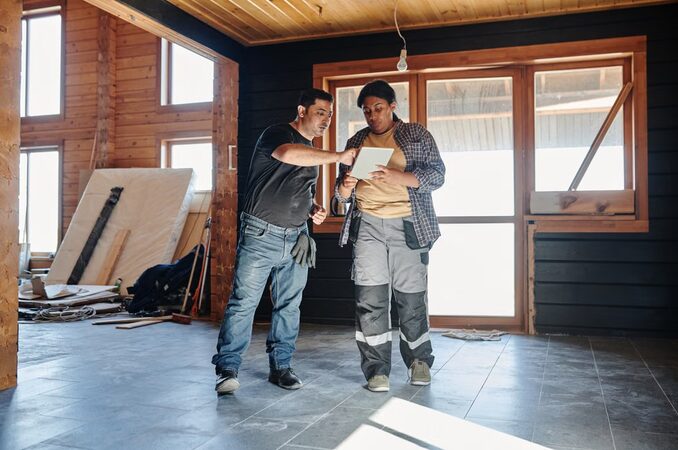
Large construction projects rarely depend on one contractor. Several trades may work on the same site, often with overlapping schedules and shared resources. Electricians, plumbers, concrete crews, framers, painters, and specialist subcontractors must complete their work in the correct order. Without coordination, one team’s delay can quickly affect everyone else. Good coordination creates a clear working structure. It helps contractors understand when they are needed, what information they require, and how their work connects with other activities. This reduces confusion and supports steady progress from the early stages through project completion. It also helps teams address small issues before they become setbacks, meaning that getting it right with your renovation project becomes much easier when multiple contractors are involved.
Planning Work and Responsibilities
Coordination starts with a detailed project plan. The main contractor or project manager should establish the overall sequence of work and identify which contractor is responsible for each activity. Every team needs a clear understanding of its duties. Schedules should show important milestones, dependencies, inspections, and expected handover dates. This makes it easier to see where one trade depends on another. For example, electrical installation may need to wait until walls are framed, while plastering may depend on electrical work being completed first. A shared schedule gives contractors a common reference point. It also makes potential conflicts easier to identify before they affect the site.
Communicating Changes and Updates
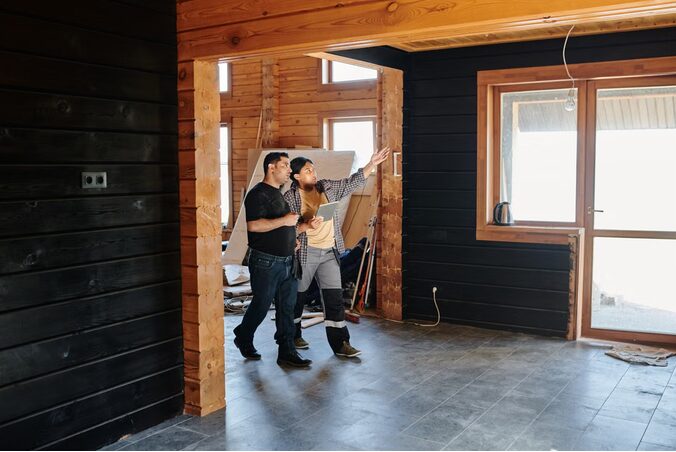
Construction plans can change. Materials may arrive late, designs may be revised, or site conditions may require adjustments. Contractors need timely information when these changes occur. Regular coordination meetings can keep everyone informed. These meetings do not need to be lengthy. The focus should remain on current work, upcoming activities, unresolved issues, and decisions that affect other teams. Written updates are equally important. Project managers can use shared documents, scheduling software, or other communication systems to record changes. Keeping information in one accessible place reduces the chance of different contractors working from outdated instructions.
Managing Site Access and Resources
Multiple contractors often need the same spaces, equipment, storage areas, or access routes. Without careful planning, these shared resources can become sources of delay. Site managers can schedule deliveries and equipment use around the needs of different trades. Material storage should also be planned, so supplies do not block work areas or create unnecessary movement across the site. Access becomes particularly important on busy projects. Two crews may need to work in the same area at the same time. Coordinating their activities can prevent overcrowding and allow each team to work safely and efficiently.
Tracking Progress and Dependencies

Monitoring progress helps project leaders identify delays while there is still time to respond. Contractors should provide regular updates on completed work, current activities, and upcoming tasks. Progress tracking should focus on dependencies rather than dates alone. If one contractor falls behind, managers need to understand which later activities may be affected. This allows the schedule to be adjusted before the delay spreads. Visual schedules, progress reports, and site inspections can provide useful information. The goal is not simply to record what happened. It is to identify problems early and give the project team enough time to act.
Resolving Conflicts and Maintaining Quality
Conflicts can occur when contractors interpret drawings differently or when their work overlaps. They may also arise from limited space, changing instructions, or disagreements about responsibility. Resolving these issues quickly is important. Project managers should identify the source of the problem, review the relevant documents, and involve the appropriate parties in the decision. Delaying a simple clarification can create larger problems later. Quality control should remain part of coordination. Work that does not meet specifications may need to be corrected before another contractor can continue. Regular inspections help identify these issues before they disrupt later stages. Coordinating multiple contractors requires more than creating a schedule. It involves communication, resource management, progress tracking, and timely decision-making. When contractors understand …



















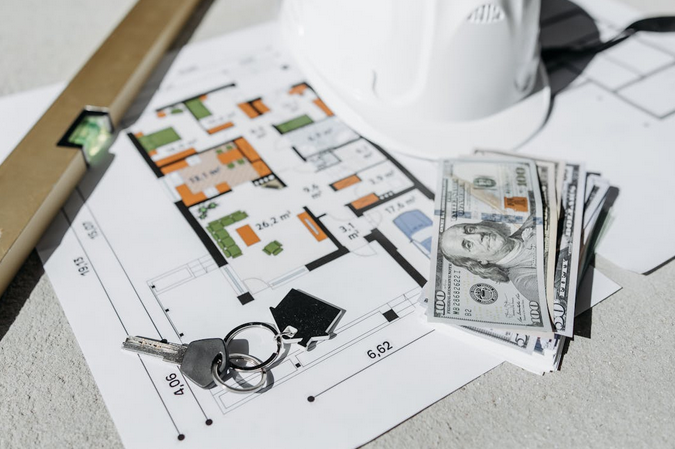


 While their scopes are different, exterior and interior designers often work together to bring a unified vision to life. Decisions made on the outside—such as window size or roofline angles—can influence lighting, room configuration, and décor choices on the inside. Consistency in materials, colors, and architectural lines helps the home feel cohesive both inside and out. For new builds or full renovations, this collaboration ensures that structural design supports both functional interior use and long-term aesthetic appeal. Understanding the interaction between both roles allows homeowners to avoid costly design mismatches and helps streamline the construction or renovation process.







 Regarding sustainable cellar construction, incorporating recycled materials is an excellent way to reduce waste and give a new purpose to old resources. From reclaimed wood to salvaged bricks, countless options can add character and charm to your cellar while minimizing environmental impact. One popular choice for recycled materials is reclaimed wine barrels. These wooden wonders have already served their time ageing fine wines but still have plenty of life left in them. By repurposing wine barrels as wall paneling or even as unique shelving units for your bottles, you create a visually appealing design element and contribute to the circular economy by giving these barrels a second chance. Another option worth considering is using recycled glass in your cellar construction. Glass fragments from discarded windows or bottles can be transformed into stunning mosaic tiles or countertops, adding a touch of elegance while reducing the demand for new raw materials.
 When it comes to sustainable cellar construction, one material that stands out is natural stone. This versatile and durable material offers a wide range of benefits for both the environment and your overall design aesthetic. Natural stone is an abundant resource found in various parts of the world. It is formed over millions of years through geological processes, making it a truly renewable option. By opting for natural stone in your cellar construction, you choose a material that can be responsibly sourced without depleting precious resources. Furthermore, natural stone has excellent thermal mass properties. This means that it can absorb and store heat energy from the surrounding environment, helping to naturally regulate temperature fluctuations in your cellar.



 With smart lighting, you can easily transform your dining area into a festive wonderland. Start by dimming the lights to create a cozy atmosphere. Lowering the brightness level will instantly make the space feel more intimate and relaxed. You can even change the color of the lights to match the holiday theme – opt for red and green during Christmas or blue and white for Hanukkah. To bring in more magic, consider using LED strips or string lights around your dining table or along shelves. These twinkling lights will create a whimsical effect that complements any holiday décor. Another way to enhance your dinner experience is by syncing your smart lights with music.


 A power outage is one of the most common causes of sump pump failure. If your sump pump is not plugged in or fails to receive power, it won’t be able to do its job and protect your home from flooding. To prevent this, you should ensure that your sump pump is always plugged in and connected to a working power source. It would help if you also considered investing in a backup power source, such as a generator or battery, to keep your pump running during an outage.
 Finally, if you have sensitive skin, installing a home water filtration system can help prevent skin irritation. Hard water can dry out your skin and leave it feeling irritated and uncomfortable. A sound filtration system will remove the minerals that cause these problems, leaving you with softer, more manageable skin.
 Another quick way to add value to your home is to give it a fresh coat of paint. This is especially true if your home’s current paint job is outdated or in poor condition. A new coat of paint will not only make your home look more appealing, but it will also help protect against future damage. If you’re not sure what color to paint your home, consider consulting with a professional interior designer. They will be able to help you choose a colour scheme that will complement your home’s existing features and add value.
 Lastly, one of the most effective ways to add value to your home is to renovate your kitchen. This is because the kitchen is one of the essential rooms in a home. It’s where families gather to cook, eat, and spend time together. A well-designed and updated kitchen can make your home more appealing to potential buyers and help you get top dollar for your home. If you’re planning to sell your home shortly, consider investing in a kitchen renovation. It will definitely pay off when it comes time to sell.